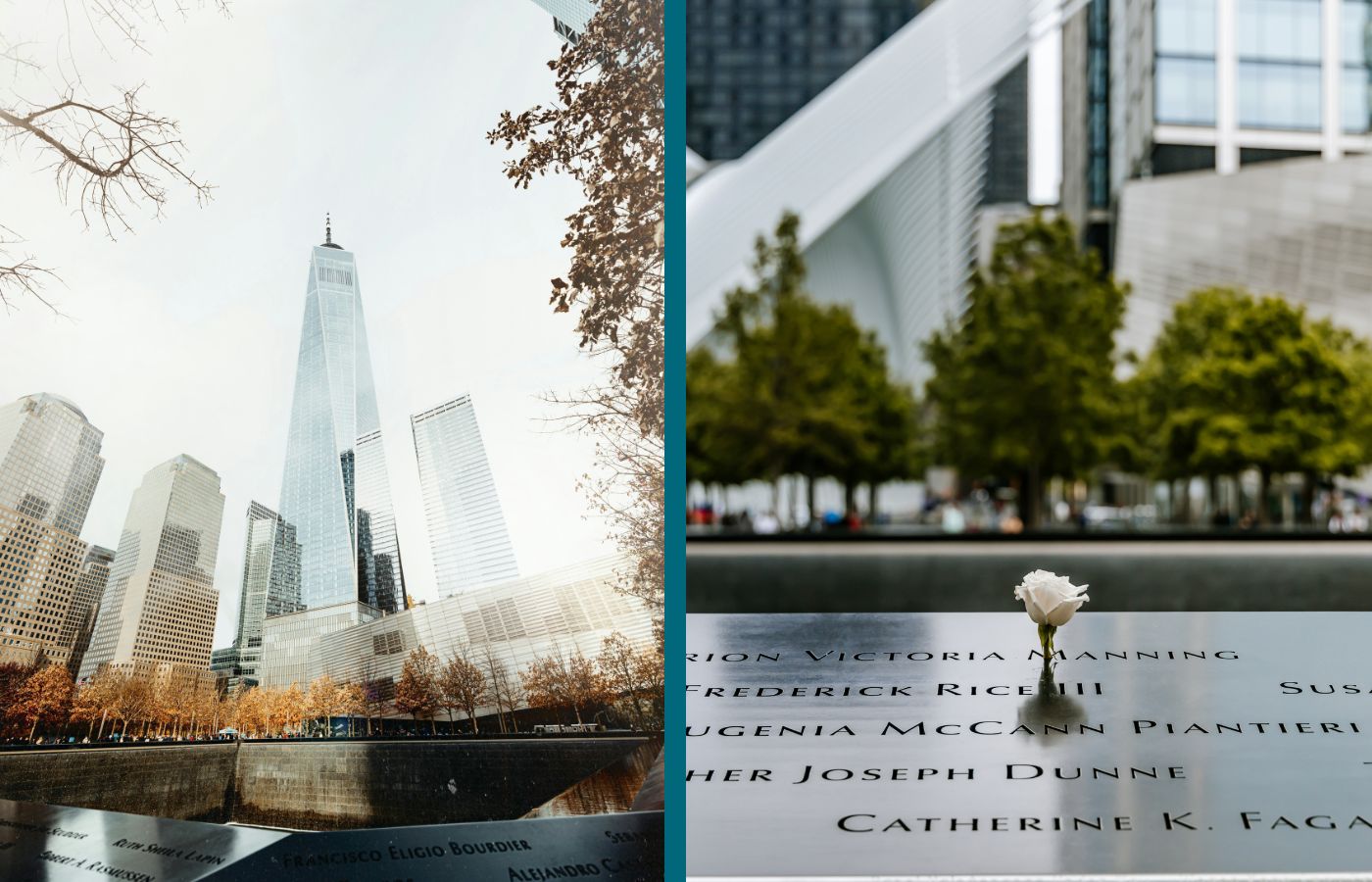
For anyone old enough to remember the 11th September 2001, the images of that day are still just as vivid 25 years on. The terror attack on the Twin Towers, along with the co-ordinated attacks targeting US government buildings, completely changed our understanding of the terror threat and how to mitigate risk.
The attacks also changed lives. The total number of people killed in New York that day alone (excluding the terrorists) was 2,753, including 2,192 civilians on the ground or in the World Trade Center complex, 147 passengers and crew aboard Flights 11 and 175, 343 FDNY firefighters, 71 law-enforcement officers, and eight private emergency medical technicians and paramedics. A total of 184 victims also died in the attack on the Pentagon (125 people inside the Pentagon and 59 passengers and crew aboard Flight 77). A further 40 passengers and crew of United Airlines Flight 93 were also killed after they bravely fought back against the hijackers, resulting in the plane crashing in a field rather than reaching its intended target.
And the impact reached much further than those who lost their lives on the day of the attacks. Not only were an estimated 6,000 people physically injured during the 9/11 attacks, but the World Trade Center Health Program has also since recorded 57,044 certified 9/11-related cancer cases amongst survivors and first responders. The data now suggests that there have been more than 9,000 deaths from 9/11-related illnesses over the past 25 years.
Courage and humanity
We can never quantify the additional impacts of the 9/11 attacks: the children who lost parents, the parents who lost sons and daughters, the people psychologically scarred by what they experienced or saw on that day. And the impact was truly global too, with around 90 countries losing citizens in the attacks.
Amongst the tragedy and the trauma, it is important to remember that 9/11 also resulted in extraordinary examples of civilian and community response, with hundreds of thousands of people volunteering, donating blood, raising money or supporting victims’ families. Civilian ferries, tugboats and other vessels helped evacuate hundreds of thousands of people from Manhattan.
These are important parts of the story because they demonstrate that, while we need to be vigilant and resilient in the face of multiple terror threats, humanity and community prevail. Most people contribute positively to society, stepping up to help strangers and coming together in the worst of times.
Shared responsibility
Twenty-five years on, that sense of collective responsibility is also part of the legacy of 9/11.
The attacks fundamentally changed the way governments, security professionals, emergency services and organisations around the world understand terrorism. They exposed vulnerabilities in aviation security, intelligence sharing, emergency communications, building evacuation and the way organisations prepare for events.
Before 9/11 a terror attack of that scale and complexity was inconceivable, but from that day onwards, the dial has shifted. Terrorists aim to do maximum harm and create as much disruption as possible; the use of unexpected tactics is one of the key elements of that evolving terror threat. As protective security professionals, we continue to identify and mitigate risk based on what we have learned from all acts of terrorism, but we are also mindful that terrorists, the threat they pose, and the tactics they use are constantly changing.
Building improved vigilance and resilience
The human cost of 9/11 and other attacks is unimaginable. But learning from terror attacks is one of the most important ways we can honour those affected.
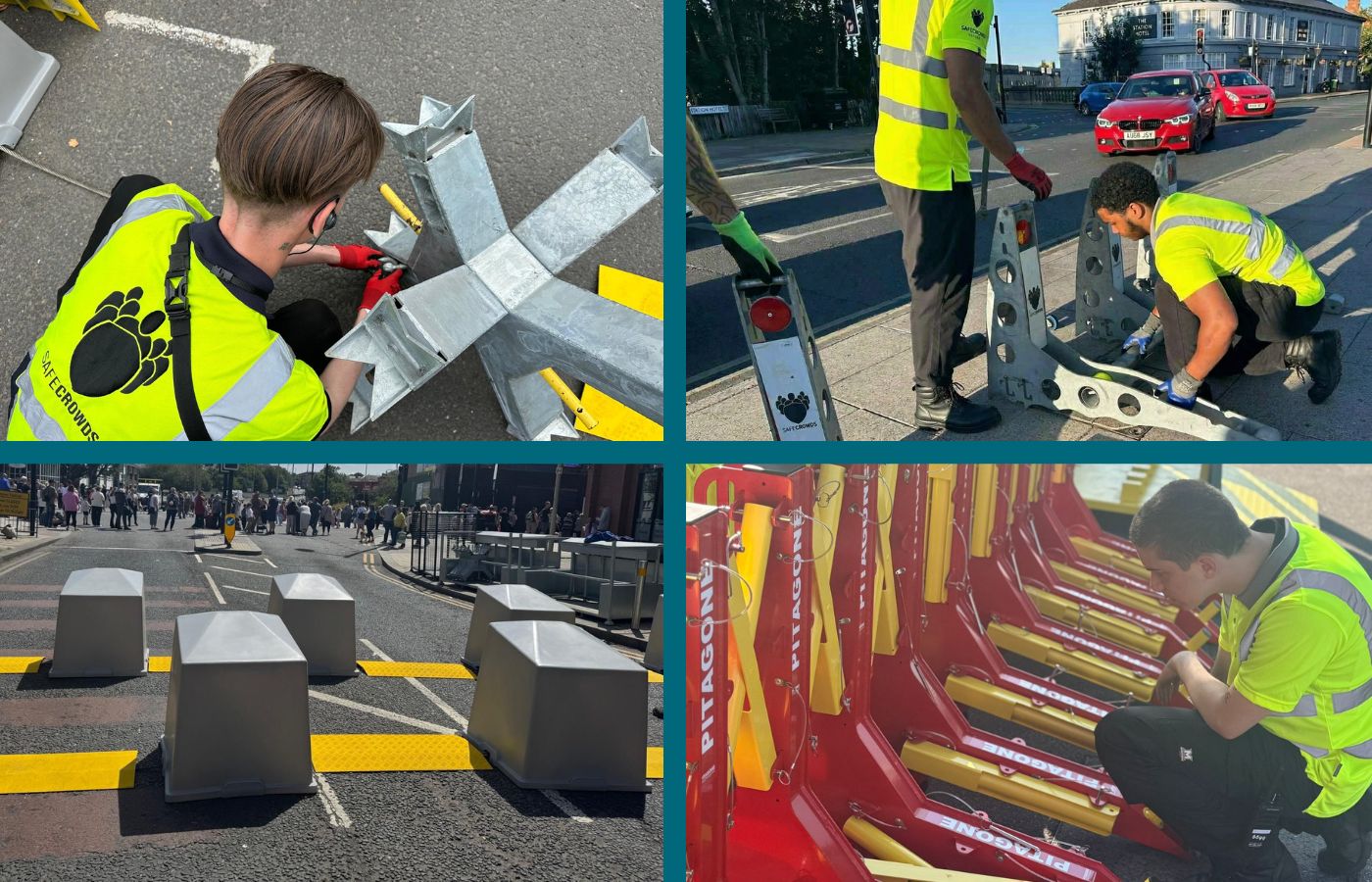
Protective security has evolved significantly over the past quarter of a century. Intelligence sharing and multi-agency working have improved and our understanding of key elements of risk and resilience, such as hostile reconnaissance, hostile vehicle attacks, behavioural indicators, and evacuation, invacuation and lockdown procedures have developed considerably. Technology has changed too, giving us new ways to identify threats, communicate during incidents and design security into places and events.
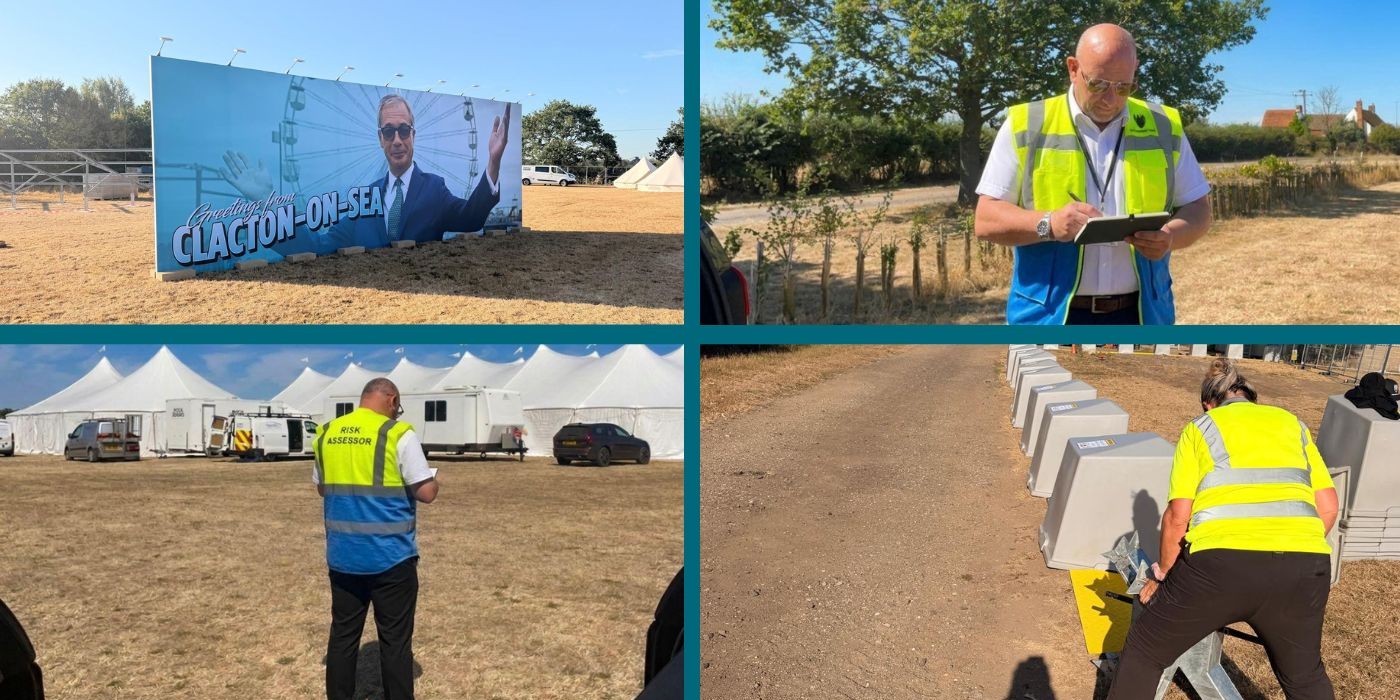
Crucially, there has also been a change in mindset. The police and the security services continue to play a critical role in identifying, monitoring and intercepting potential threats, but there is also a much greater understanding of the collective responsibility we all share to report concerning behaviours or flag anything suspicious. Campaigns such as the ‘See it. Say it. Sorted.’ initiative from British Transport Police have helped to maintain high levels of public awareness and vigilance, and the private security industry is also playing an important role in risk assessment, risk mitigation strategy development, and delivering protective security for crowded spaces, venues, and stadiums etc.
Thanks to the Martyn’s Law campaign that followed the Manchester Arena bombing in 2017, the Terrorism (Protection of Premises) Act 2025 now defines preparedness responsibilities for events, venues and crowded spaces in legislation, marking another important milestone in the evolution of our approach to protective security in the UK since 9/11.
At the heart of Martyn’s Law is a straightforward principle: organisations responsible for places where people gather should consider the potential threat, understand what they can reasonably do to reduce vulnerability and, critically, know how to respond if the worst happens.
A lasting legacy
The Terrorism (Protection of Premises) Act builds on a legacy of improvements in security protocols and preparedness triggered by 9/11 25 years ago. The 9/11 attacks prompted fundamental changes to aviation security, from passenger and baggage screening to the security of aircraft themselves. They led to advances in building and fire safety, informed by detailed investigation of the World Trade Center collapses, and placed much greater emphasis on evacuation planning and emergency communications.
There has also been a transformation in the way major incidents are prepared for and managed. The communication and interoperability challenges experienced by emergency services on 9/11 reinforced the importance of effective multi-agency working, shared information and co-ordinated incident command. Resilience not only depends on trying to prevent an incident, but also on being ready to respond effectively when one occurs. That’s why a well-trained, multi-disciplinary team that understands threat, vulnerability and risk, crowd dynamics, and the importance of effective communication is vital to robust protective security.
Continuing to learn
As we mark the 25th anniversary of 9/11, our first thoughts remain with those who died, those who were injured and the families and communities whose lives were changed forever. But remembrance can sit alongside determination. There will always be more to learn. There will always be new threats to understand. But every lesson that is acted upon, every person who is better prepared and every proportionate measure that reduces vulnerability contributes to a safer future. We cannot change what happened on the 11th September 2001, but we can make sure we continue to learn from it.