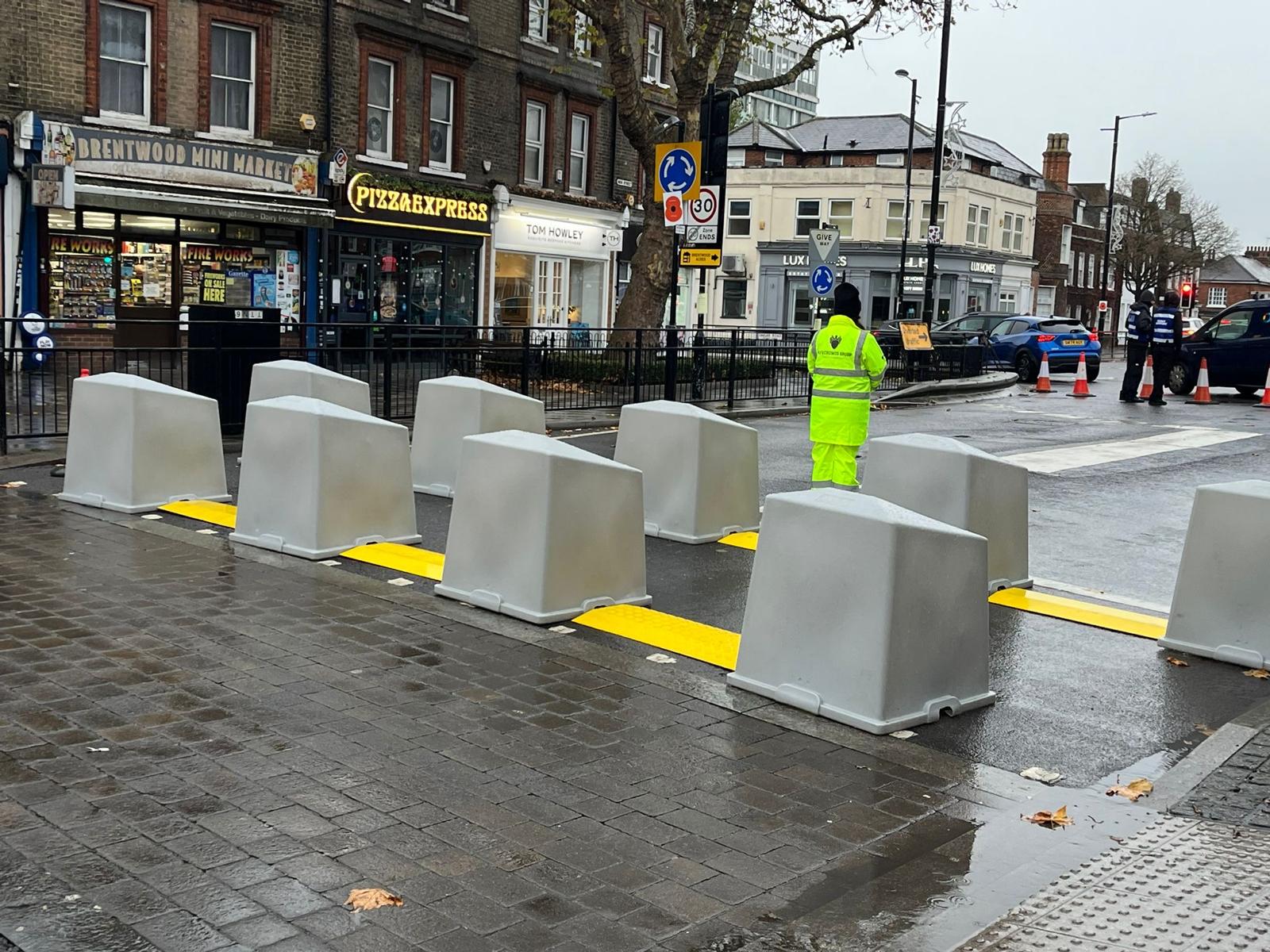
You’re at an event – seeing your favourite band at a stadium gig, for example – and a vehicle tries to drive into the crowd as they queue outside the venue. The hostile vehicle mitigation (HVM) system in place brings the vehicle to a controlled stop. What happens next?
It would be great if the story ended there, and some risk assessments do. In truth, however, the risk of harm doesn’t stop when the vehicle does.
Protect UK lists number of terror attack methodologies, including marauding attacks (with a bladed weapon, or firearm for example), improvised explosive devices (IEDs), which may be person or vehicle borne or placed, and fire as a weapon, alongside vehicle attacks. The organisation also points out that some methodologies are more likely than others, indicating that ‘a marauding attacker armed with a bladed or blunt force weapon is generally the most likely attack methodology’.
So, let’s go back to where we paused the scenario. What happens next?
The reality is that the HVM will probably only slow down the attacker, rather than prevent the attack. They may exit the vehicle with a weapon. They may abandon the vehicle with an IED inside it. They may have been causing a distraction to enable an IED to be planted in another location.
Exploring these potential options is not about scaring anyone, it is about focusing on risk. We can only mitigate risk, not eradicate it, and the more risk factors and scenarios we consider, with a joined-up and holistic approach, the more effective the mitigation we can put in place.
Hard facts, not hard sell
Coming to terms with the fact that the terror risk is constant and serious not only adds layers of cost and operational complexity to managing venues and public spaces and organising events; it also adds a duty of care. It’s important not to cut corners, but a multi-disciplinary approach to considering a wide range of risks and solutions can help you deliver that duty of care while managing the cost and operational implications.
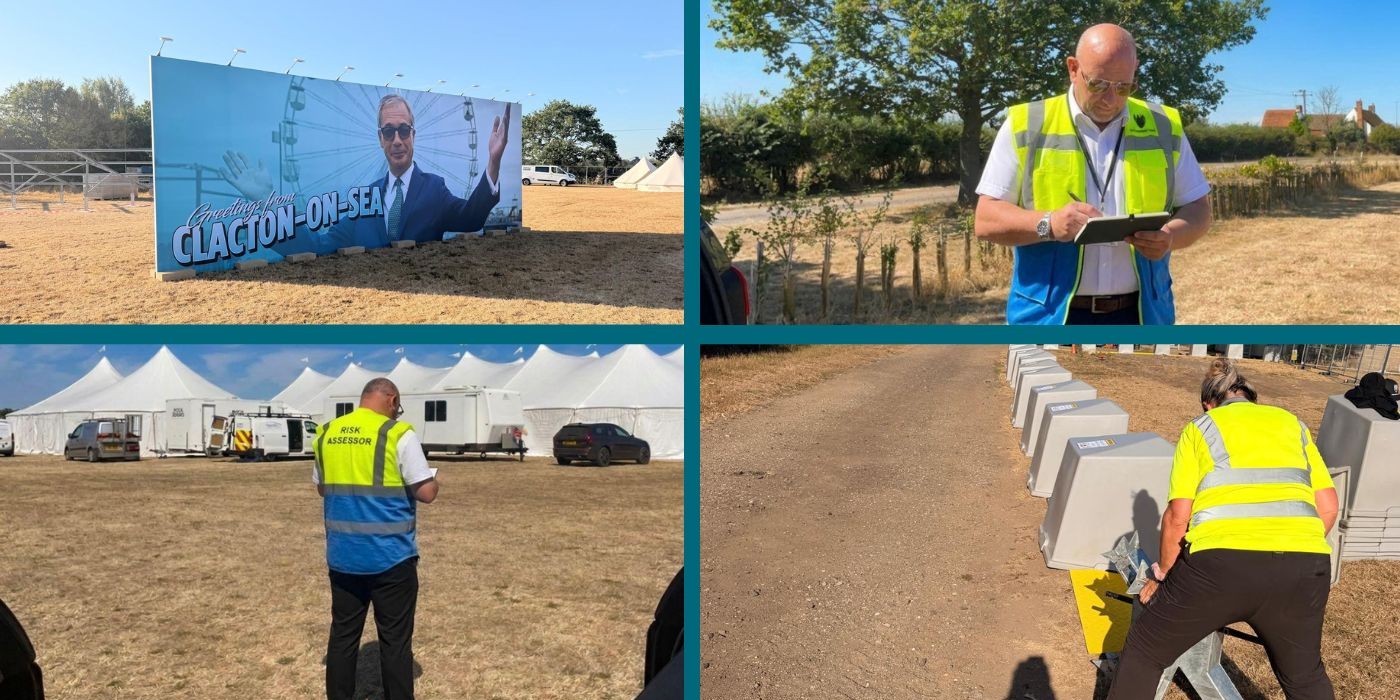
At SAFECROWDS GROUP we draw on decades of security sector experience across our team, along with the knowledge of our certified, in-house counter terrorism professionals and our hands-on track record of operational management throughout the risk assessment, planning and implementation process. As an integrated service provider, we can offer guidance on variable risks from our qualified and certified in-house teams.
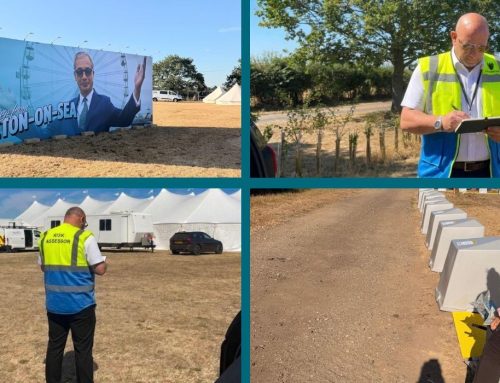
Our TVRAs don’t just consider the risk of vehicle attacks and errant vehicles, they also consider a wide range of other risk factors and security measures, including explosives detection, behavioural detection, CCTV blind spots, lighting, access routes, operational practices, staff vetting, and staff training. Recommendations for HVM protection usually form part of our report, with a clear focus on matching the HVM system and location to your operational requirements. We also ensure that any equipment we recommend is appropriately rated to defend against vehicles of the predicted possible size and speed identified in our TVRA. And for mass gatherings and major venues such as stadiums, the expertise of our in-house crowd safety management professionals ensures we consider flow rates and crowd safety as part of the HVM strategy we put forward.
Our TVRA reports cover much more too, addressing risk factors that may help you reduce your security and HVM spend by making operational changes or low-cost adjustments to your security.
Honest and Independent
There is no single blueprint for counter terrorism or security planning. Every site, event, and organisation faces a unique risk profile with many different vulnerabilities.
For this reason, SAFECROWDS GROUP is not tied to a single HVM manufacturer or solution. Our recommendations are based on risk, not inventory or distribution agreements. We provide independent advice grounded in evidence, operational reality, and professional judgement.
We also offer much more than HVM, extending our focus beyond vehicle attacks by leveraging the security experience of our team to understand hostile vehicle risk as part of a much bigger picture.
The terror threat landscape is constantly changing, and, with it, the nature of risk. By being candid about risk and delivering independent advice, we aim to help our clients remain vigilant and prepared.