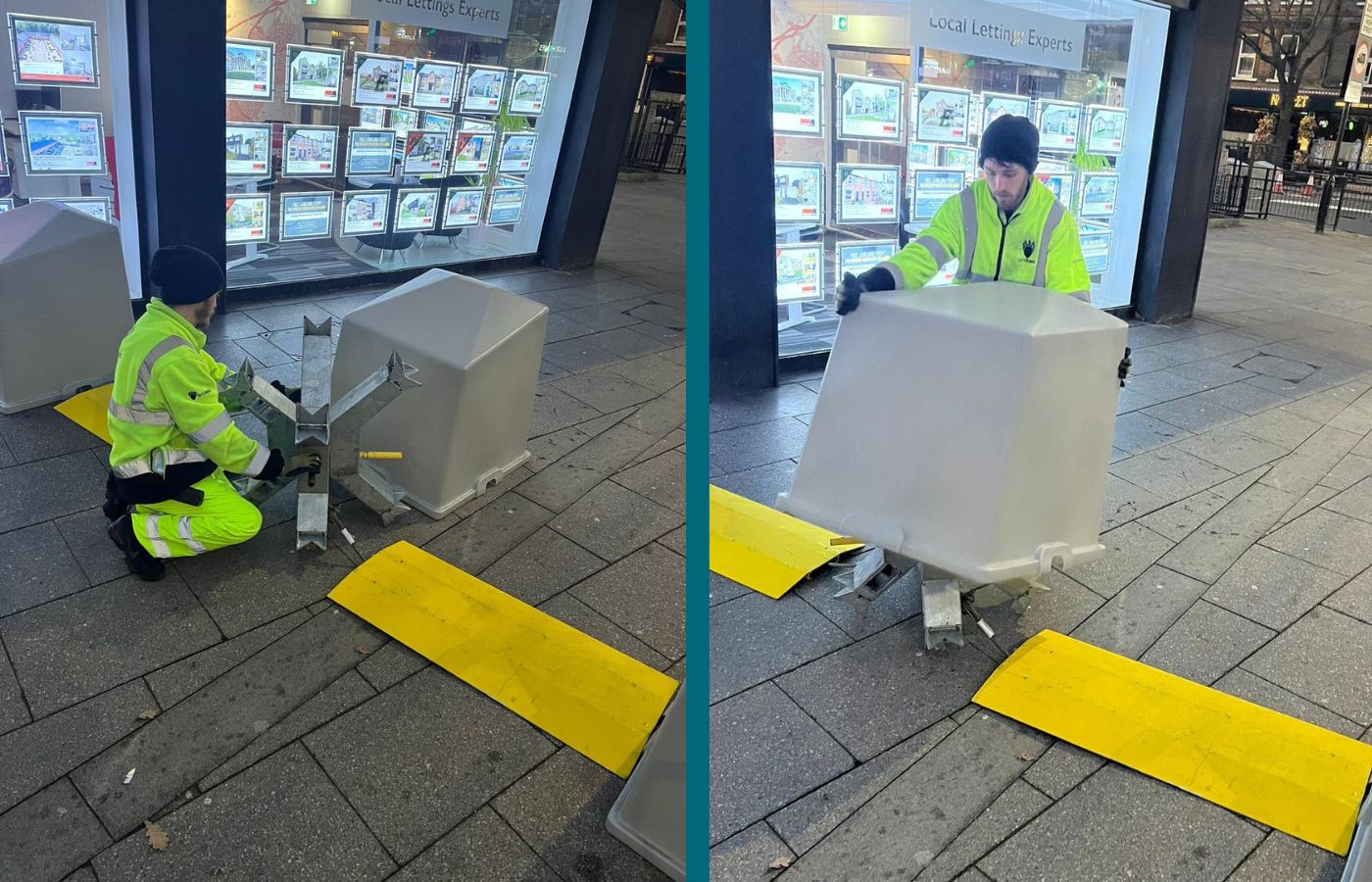
Last week, the SAFECROWDS GROUP team had the privilege of attending an invitation-only government briefing on hostile vehicle mitigation (HVM), hosted by the UK Home Office, with expert contributions from the National Protective Security Authority (NPSA) and the National Counter Terrorism Security Office (NaCTSO).
The message from that room was unambiguous: the threat landscape is evolving, and so too must our approach to physical protection. In particular, there was a clear and consistent emphasis on the importance of deploying HVM systems that are tested and rated against the Vehicle Attack Delay Standard (VADS). While impact-rated HVM barriers can provide effective mitigation against the risk of vehicles travelling at speed, provided that they are properly specified and installed aligned to the identified risk, only VADS-rated systems are designed to protect against the weight of a vehicle being used to nudge the protection aside.
The message was clear: where permanent HVM protection is possible, this should be the preferred approach. Where it is not, risk considerations for temporary HVM should go beyond the impact rating, considering the potential threats associated with repeated ramming or nudging and the effectiveness of protective security measures in mitigating those risks.
Moving Beyond Impact Ratings
For most temporary HVM barrier deployments, the chosen product is certified to withstand or stop a vehicle impact. Various terror attacks around the world have highlighted that vehicles being driven into crowds at speed is an increasingly common terrorist tactic. A vehicle used in this way can cause harm by hitting the crowd, and can also gain access to deploy a secondary tactic, such as a marauding attack or vehicle borne improvised explosive device (VBIED).
Real-world terror attacks are rarely a single-event scenario. A hostile vehicle may partially breach a perimeter, which means that, even if the vehicle becomes immobilised, attackers may still be able to exit it and continue to pose a threat to life. Impact-rated barriers are designed to stop vehicles, but their effectiveness in delaying attackers after impact is limited. And that delay is critical.
That’s why the VADS standard really matters. The Vehicle Attack Delay Standard (VADS) is designed to address precisely this gap. Rather than focusing solely on stopping power, VADS assesses how effectively a system delays vehicle penetration, preventing or slowing access to protected zones and thereby buying more time for response – whether from on-site security, law enforcement, or evacuation or lockdown procedures. The delay standard is all about building in additional response time, which boosts resilience and could saves lives.
What is VADS Protection
Unlike impact rating, the detail of VADS performance for VADS-rated HVM systems is not shared publicly because it is essential to prevent those who might exploit that knowledge from having access to the information.
However, the NPSA clearly lists whether an HVM system has been VADS certified and some impact-rated temporary HVM products can also be deployed in a VADS configuration to mitigate both impact and ramming risks.
If a TVRA highlights the need for VADS protection, it is critical to verify not only that the HVM system specified has a VADS rating, but also that it has been installed correctly in a VADS configuration, which may involve additional units or connecting units securely together.
A VADS HVM installation is designed to mitigate against the risk of a vehicle breaching the perimeter or creating a usable access point for additional vehicles or attackers. It significantly slows the progression of an attack, providing layered resilience.
Intelligence-Led Protection Requires Specialist Expertise
Vehicle Security Barriers (VSBs) and HVM products should be deployed as part of a hostile vehicle mitigation strategy, and the Home Office briefing was clear that permanent measures are preferred for locations at constant or regular risk. But the process of developing a permanent HVM installation takes time and permanent HVM is not always viable, so it is important to also understand the options for temporary protection, which can often be used as an interim measure.
Whether temporary or permanent, HVM is not an off-the-shelf purchase – it always needs to be specified aligned to the identified risk and installed correctly by operatives with proven competency. Working with a specialist that keeps up to date with the latest intelligence and guidance from organisations such as the NPSA and NaCTSO ensures that insights about the evolving threat landscape are built into the risk assessment and specification process.
Effective protection requires a clear understanding of methodologies and the expertise to balance security with operational considerations, crowd flows and crowd safety.
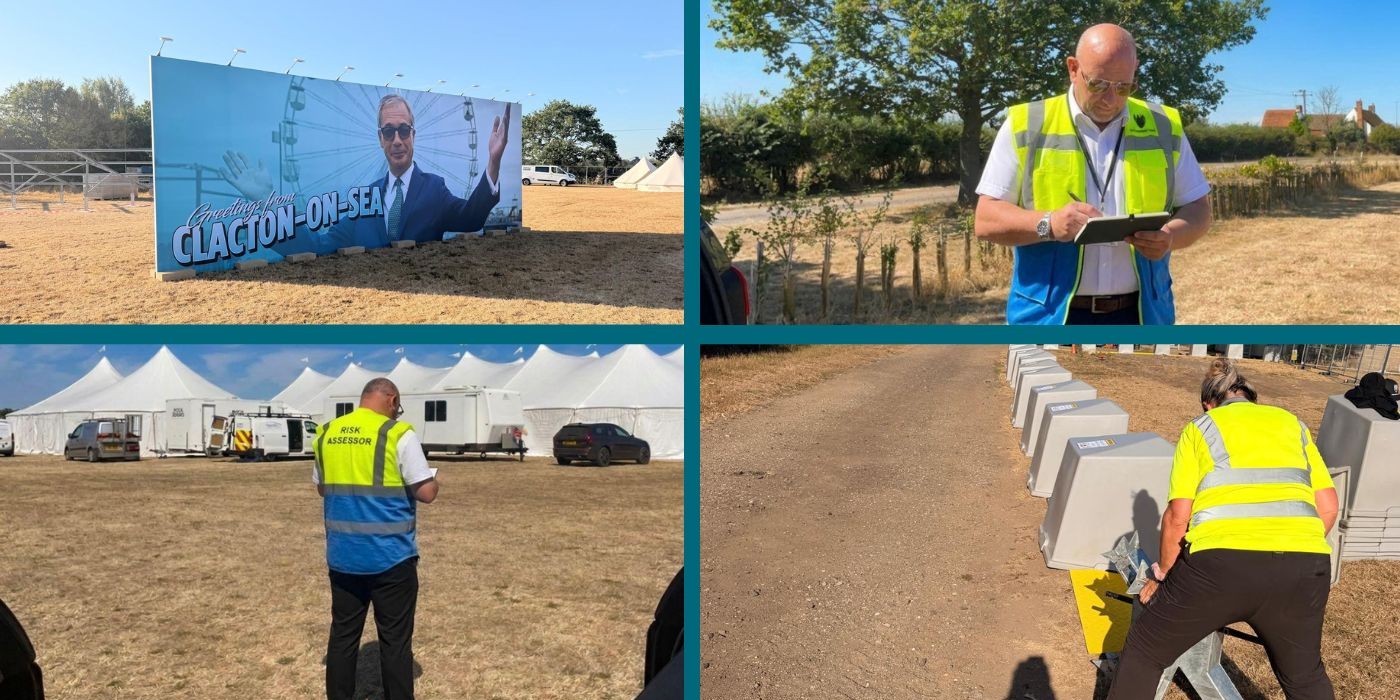
Solutions must be tailored, not just compliant, which is why, at SAFECROWDS GROUP, we believe that HVM should be part of a wider risk strategy, not a standalone product decision. We are advising a number of local authorities about permanent HVM solutions, and working with industry partners to specify, design and install this type of protection, for both public realm and Zone Ex locations. We also offer a number of temporary HVM solutions, including the ARX Stopper! and the Pitagone F18, which can be configured to meet VADS requirements, are listed by the NPSA, and offer a practical, adaptable solution across events, public spaces, and critical infrastructure.
HVM as Strategy
The key to effective hostile vehicle mitigation is not just the product itself—but how it is deployed, configured, and integrated into a wider security plan. As a member of the Perimeter Security Suppliers Association (PSSA), and with more than 20 years of experience in the security sector, SAFECROWDS GROUP understands that we need to stay a step ahead of those who would do us harm.
The conversations taking place within government and national security bodies are increasingly focused on resilience, delay, and layered protection. The focus on VADS at the recent event is a reflection of that thinking. As an industry specialist, our role is not simply to install barriers, or find a way of offering a visible deterrent at the lowest cost, but to interpret risk, apply intelligence, and design environments that protect people effectively.